Short answer
Choose a rigid box when the packaging is part of the product's perceived value — gifts, cosmetics sets, jewellery, launches. Choose a folding carton when unit cost, line-filling speed and flat shipping matter more than weight in the hand. Collapsible rigid boxes sit in between: rigid feel, flat shipping.
The short answer
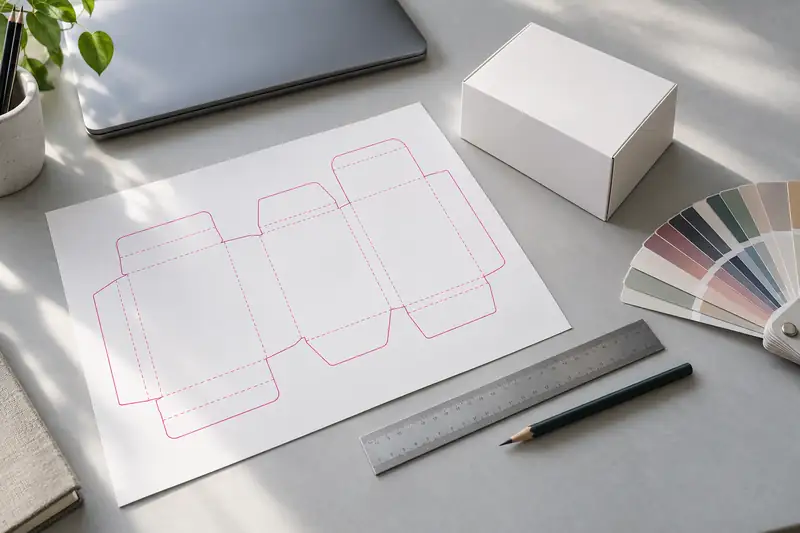
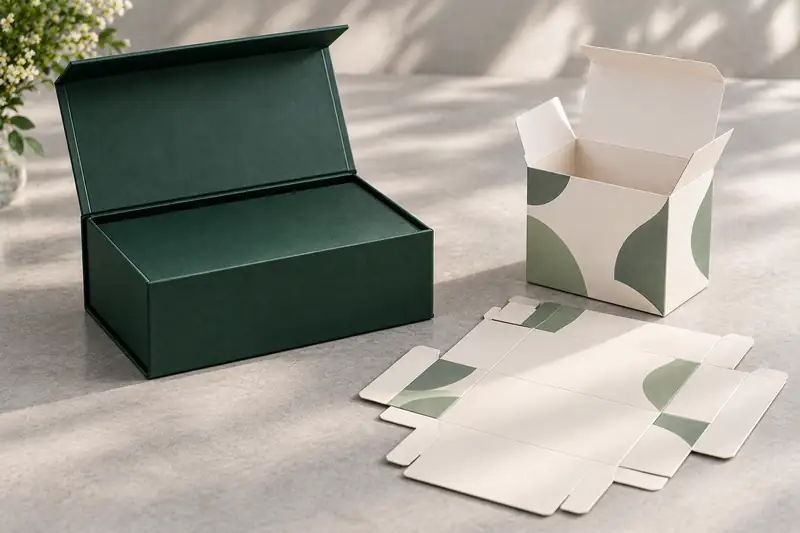
A rigid box is built from 1–3 mm greyboard and wrapped in printed or specialty paper. It does not fold, it does not flex, and it feels substantial. A folding carton is a single sheet of 300–400 gsm paperboard, printed, die-cut and glued, that ships flat and is folded into shape when packed.
If customers will keep the box, photograph it or give it as a gift, rigid usually wins. If the box is opened once and recycled, a carton is usually the better spend.
Side-by-side comparison
| Factor | Rigid box | Folding carton |
|---|---|---|
| Material | 1–3 mm greyboard + wrap paper | 300–400 gsm paperboard |
| Perceived value | High — heavy, crisp edges | Medium — light, flexible |
| Shipping | Assembled (unless collapsible) | Flat |
| Unit cost | Higher; more hand work | Lower; highly automated |
| Typical MOQ | Low to medium | Medium to high |
| Inserts | EVA, foam, card, blister, velvet | Card or simple paper partitions |
| Best for | Gift sets, cosmetics, jewellery, electronics, launches | Retail shelf products, food, pharma, high volume |
What drives the cost of a rigid box
Rigid boxes are partly handmade: the board is cut, the corners are taped, and the wrap paper is glued and turned over every edge. Cost follows the amount of that work:
- Size and board thickness. Bigger boxes and 2.5–3 mm board use more material and more glue.
- Structure. A lid-and-base box is simplest; magnetic flaps, drawers, double doors and advent grids add parts and assembly time.
- Wrap paper. Printed art paper is cheapest; textured, pearlescent and leather-look papers cost more.
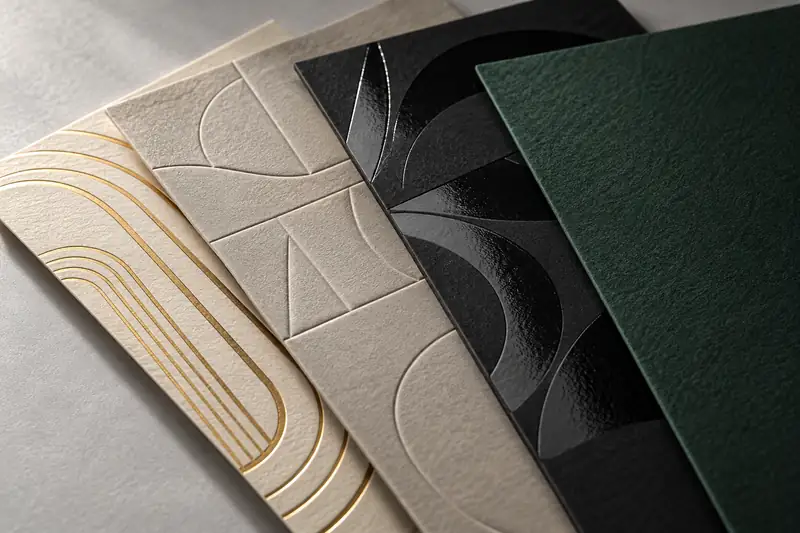
- Finishes. Each foil colour, emboss plate or spot UV pass adds a tool and a production step.
- Inserts. A die-cut EVA or velvet insert can cost as much as a simple box.
The middle option: collapsible rigid boxes
If you like the feel of rigid but freight is a problem, look at collapsible gift boxes. They use the same greyboard, ship flat, and fold into a rigid box held by magnets or tape. Folded flat, they typically take 60–70% less carton volume than the same box shipped assembled.
A quick decision checklist
- Will the customer keep the box? If yes, lean rigid.
- Is the product heavy or fragile? Rigid with a fitted insert protects better.
- Are you filling on an automated line? Cartons are designed for it.
- Is ocean freight a large share of landed cost? Consider collapsible or carton.
- Is the order under a few thousand units? Rigid boxes often have friendlier MOQs.
Next step
Not sure which way to go? Send us the product dimensions and quantity through the inquiry form and we will quote both a rigid and a folding option so you can compare like for like.